
Experience the future of transportation on Shanghai’s Maglev Train. Explore its high-speed capabilities and enjoy a smooth and comfortable ride.
Introduction
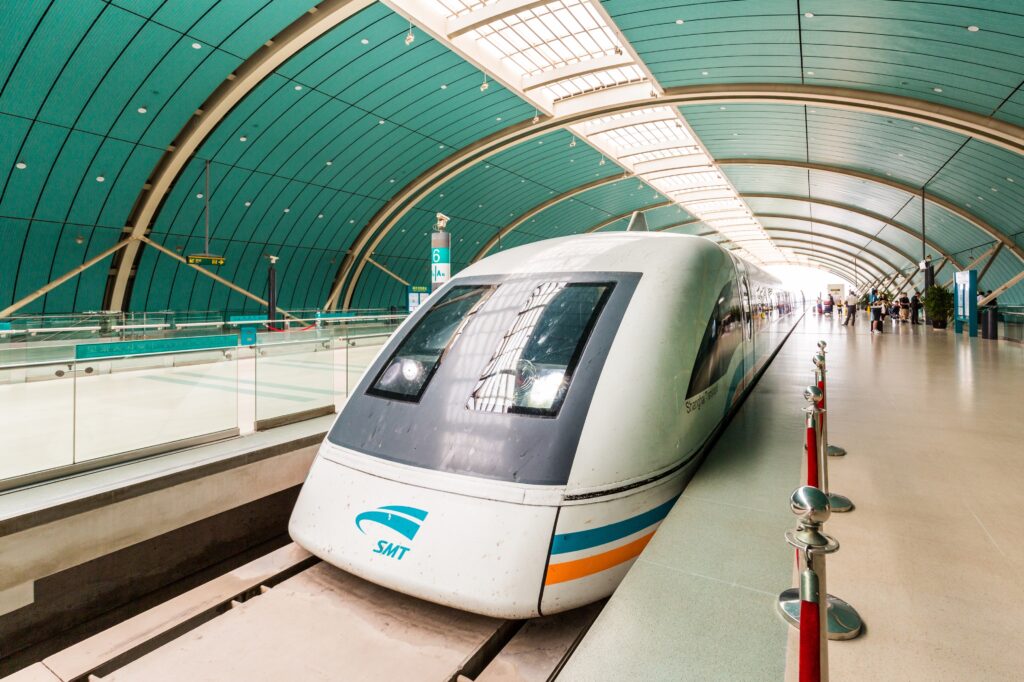
Imagine traveling at 300 kilometers per hour (186 mph), gliding smoothly above the tracks without a single bump or vibration. This isn’t science fiction—it’s your everyday commute on Shanghai’s Maglev Train, the fastest commercial train in the world. Since 2004, this engineering marvel has been whisking passengers from Pudong International Airport to the city center in just 8 minutes, covering 30.5 kilometers at speeds that leave conventional trains in the dust.
What makes the Shanghai Maglev truly remarkable isn’t just its speed. At approximately $7 USD (50 RMB) for a one-way ticket, it offers an unparalleled combination of speed, comfort, and affordability. Whether you’re a time-conscious business traveler, a technology enthusiast, or a curious tourist, the Maglev provides an experience that’s equal parts transportation and attraction.
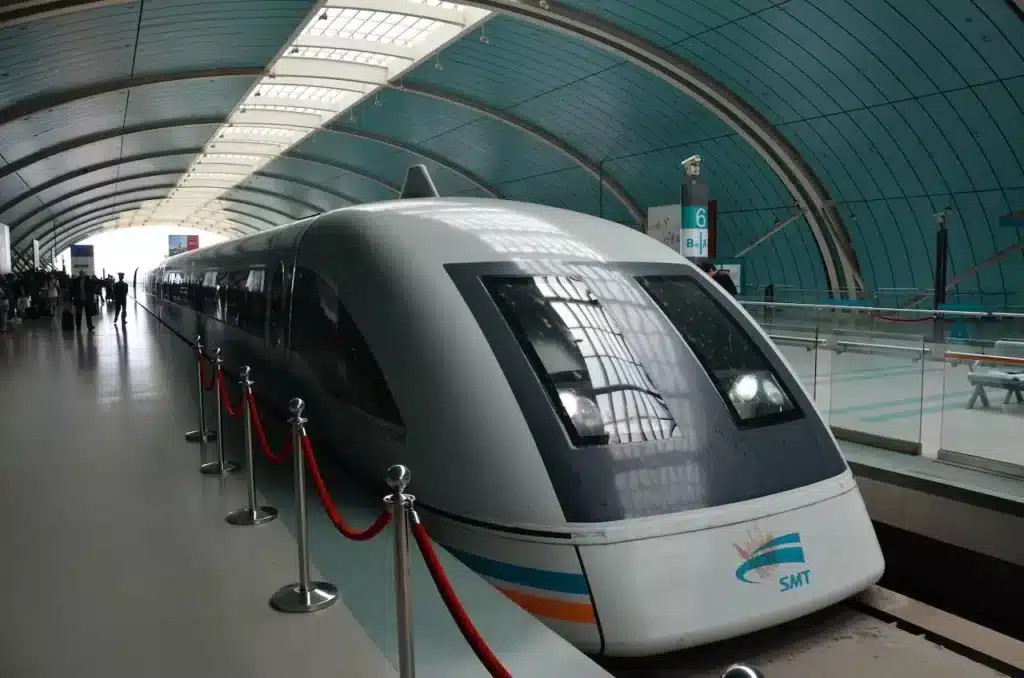
This comprehensive guide will take you through everything you need to know about riding the Shanghai Maglev in 2026—from technical specifications and environmental impact to practical tips for booking tickets and connecting to Shanghai’s major attractions. By the end, you’ll understand why this magnetic levitation train remains one of Shanghai’s most iconic experiences two decades after its launch.
What is Shanghai Maglev?
The Magnetic Levitation Technology
The Shanghai Maglev Train operates on magnetic levitation technology—a revolutionary transportation system that uses powerful electromagnets to lift the train 10 millimeters (0.4 inches) above its guideway. Unlike traditional trains that rely on friction between wheels and tracks, the Maglev literally floats through the air, propelled forward by synchronized magnetic fields.
The technology, known as the Transrapid system, was developed by German companies Siemens and ThyssenKrupp. Shanghai’s implementation represents the first—and currently only—commercial high-speed maglev line in the world operating at such velocities. The system uses electromagnetic suspension (EMS), where electromagnets on the train are attracted to ferromagnetic rails on the guideway, creating lift and forward motion simultaneously.
How It Works: Simplified Explanation
The maglev system works through three key principles:
- Levitation: Electromagnets mounted underneath the train are attracted to the steel guideway above them, lifting the entire 89-ton train off the ground.
- Guidance: Additional electromagnets on the sides of the guideway keep the train centered and stable, preventing it from drifting left or right.
- Propulsion: A linear motor embedded in the guideway creates a traveling magnetic field that pulls the train forward. By rapidly switching the polarity of electromagnets along the track, the system creates a wave of magnetic force that propels the train at incredible speeds.
The result? Zero physical contact with the track means virtually no mechanical friction, enabling extraordinary speeds while maintaining whisper-quiet operation and exceptional energy efficiency.
Technical Specifications & Performance
Current Operating Speed: 300 km/h
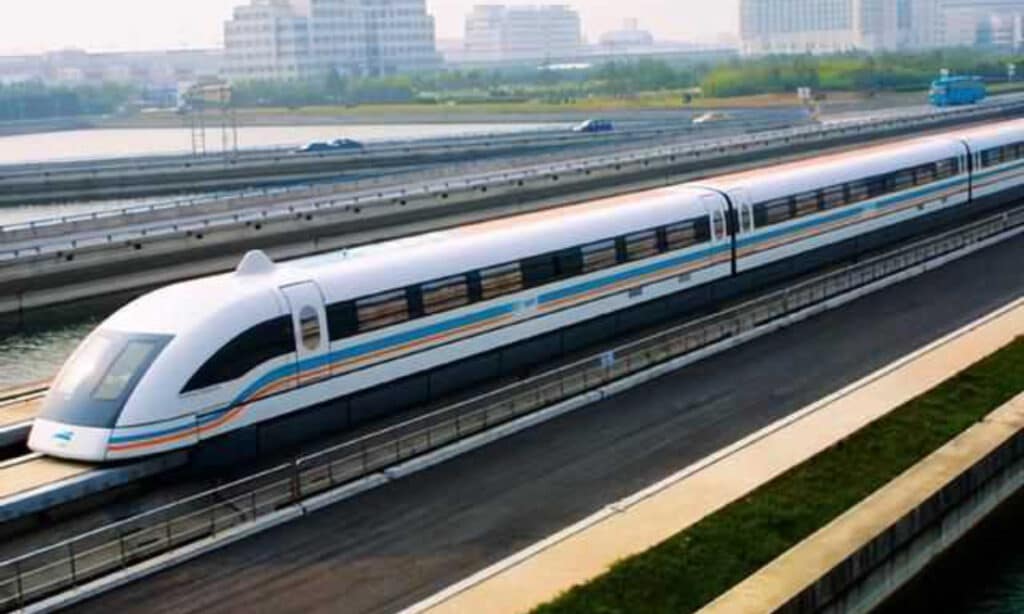
As of 2026, the Shanghai’s Maglev operates at a maximum speed of 300 km/h (186 mph) during regular passenger service. This represents a reduction from its historical top speed of 431 km/h (268 mph), which was maintained from the train’s 2004 opening until May 2021.
Why Was the Speed Reduced?
The speed reduction to 300 km/h was implemented for several practical reasons:
- Energy efficiency: Operating at 300 km/h reduces electricity consumption by approximately 30% compared to maximum speed, significantly lowering operational costs.
- Wear and tear: Lower speeds extend the lifespan of critical components, reducing maintenance frequency and costs over the system’s 20+ year operational history.
- Journey time impact: The speed reduction added only 30-40 seconds to the total journey time—a negligible difference for passengers but significant for operational efficiency.
- Safety margins: Operating below maximum design speed provides additional safety buffers and allows for more gradual acceleration and deceleration.
Distance & Journey Time
The Shanghai Maglev covers 30.5 kilometers (19 miles) between Pudong International Airport and Longyang Road Station in 8 minutes and 10 seconds. To put this in perspective:
- The same journey by taxi takes 40-50 minutes depending on traffic
- By metro (Line 2), the trip requires 70-75 minutes
- The Maglev saves passengers 32-67 minutes compared to alternative transportation options
Acceleration Performance
One of the most thrilling aspects of the Maglev experience is its extraordinary acceleration. The train reaches 300 km/h in just 2 minutes and 15 seconds from a standing start. This smooth, rapid acceleration is possible because:
- Magnetic propulsion delivers instant torque without the mechanical limitations of wheels
- The absence of friction allows for continuous, uninterrupted acceleration
- Advanced control systems maintain stability and passenger comfort throughout the acceleration curve
Comparison with Global Maglev Systems
The following table compares Shanghai’s Maglev with other major maglev systems worldwide:
| System | Operational Speed | Record Speed | Status |
| Shanghai Maglev (China) | 300 km/h | 501 km/h (2003) | Operating since 2004 |
| Tokyo L0 Series (Japan) | 505 km/h | 603 km/h (2015) | 2027 opening target |
| China 600 km/h Prototype | N/A | 650 km/h (2025) | Testing phase |
| Incheon Maglev (Korea) | 110 km/h | 110 km/h | Operating |
While Japan’s upcoming Tokyo Maglev will surpass Shanghai in speed, Shanghai’s system remains the world’s only operational high-speed commercial maglev as of 2026, with over 20 years of proven performance.
Environmental Impact & Sustainability
Beyond its impressive speed, the Shanghai Maglev stands out as an environmentally progressive transportation solution. Its magnetic levitation technology delivers significant environmental benefits compared to conventional transportation methods.
Noise Levels: Whisper-Quiet Operation
One of the most striking environmental advantages of the Maglev is its remarkably low noise profile. The train operates at approximately 60 decibels (dB)—comparable to a normal conversation or background music in a restaurant. This is substantially quieter than alternative transportation:
| Transportation Mode | Noise Level |
| Shanghai Maglev | 60 dB |
| Conventional High-Speed Rail | 64-68 dB (4-8 dB louder) |
| Shanghai Metro (Subway) | 80 dB (20 dB louder) |
| Highway Traffic (inside car) | 70 dB (10 dB louder) |
This quiet operation significantly reduces noise pollution in urban areas near the maglev line. Since decibels operate on a logarithmic scale, being 20 dB quieter than the subway means the Maglev produces approximately 1% of the acoustic energy of conventional metro systems.
Energy Efficiency: 30% Less Consumption
The absence of physical contact between train and track eliminates rolling resistance, resulting in 30% lower energy consumption compared to conventional trains traveling at equivalent speeds. The magnetic propulsion system converts electrical energy directly into motion with exceptional efficiency, avoiding the energy losses inherent in mechanical systems with gears, axles, and bearings.
Zero Direct Emissions
As an electric vehicle, the Maglev produces zero direct carbon emissions during operation. While the electricity generation itself may produce emissions depending on the power source, studies indicate that maglev systems operating at high speeds produce approximately 50% fewer CO₂ emissions than automobiles traveling the same distance at comparable velocities.
Smaller Land Footprint
Compared to highway systems, the elevated maglev guideway requires significantly less land. The single-track elevated structure minimizes ground-level disruption, preserves natural drainage patterns, and allows wildlife to pass beneath the guideway. This compact footprint makes maglev technology particularly suitable for dense urban environments where land is at a premium.
Safety & Reliability
After more than 20 years of continuous operation, the Shanghai Maglev has established an exceptional safety record that underscores the reliability of magnetic levitation technology.
20+ Years of Safe Operation (2004-2026)
Since opening on January 1, 2004, the Shanghai Maglev has transported millions of passengers without a single fatality—a testament to both the inherent safety of magnetic levitation technology and the rigorous maintenance protocols employed by Shanghai Maglev Transportation Development Co., Ltd.
Safety Record: Only 2 Minor Incidents
Throughout its operational history, the Maglev has experienced only two notable incidents:
- 2006 Fire Incident: A small electrical fire occurred in one train car. The fire was quickly extinguished, all passengers were safely evacuated, and no injuries were reported. The incident led to enhanced fire suppression systems.
- 2016 Equipment Failure: A minor equipment malfunction caused temporary service suspension for several hours. The issue was resolved without passenger impact, and operations resumed the same day.
Both incidents were classified as minor operational issues rather than safety hazards, and neither resulted in passenger injuries.
Punctuality: 99.8-99.9% On-Time Performance
The Shanghai Maglev maintains an impressive punctuality rate of 99.8-99.9%, meaning delays are exceptionally rare. The magnetic levitation system is inherently reliable because:
- No mechanical contact means minimal wear and fewer breakdown points
- Automated control systems continuously monitor train position and performance
- Weather resistance superior to conventional rail systems
Weather-Resistant Operation
Unlike traditional trains that can be affected by ice on tracks or debris on rails, the Maglev continues operating effectively in adverse weather conditions. The elevated guideway design prevents flooding, while the magnetic system functions normally in rain, wind, and moderate snow. Service interruptions due to weather are extraordinarily rare.
Ticket Prices & How to Buy
Understanding the Shanghai Maglev ticketing system is straightforward, with multiple purchasing options designed for convenience.
2026 Ticket Prices
| Ticket Type | Price (RMB) | Price (USD) |
| Single Trip (Standard) | 50 RMB | ~$7 USD |
| Round Trip (7 days validity) | 80 RMB | ~$11 USD |
| VIP Single | 100 RMB | ~$14 USD |
| VIP Round Trip | 160 RMB | ~$22 USD |
Special Discounts:
- 20% discount: Show your same-day airline ticket at the counter
- Group rates: Available for groups of 10+ passengers
- Children under 1.3m: Free when accompanied by a paying adult
How to Purchase Tickets
You can buy Shanghai Maglev tickets through multiple convenient channels:
- Ticket counters at stations: Available at both Longyang Road and Pudong Airport stations. Staff speak English and can assist with payment.
- Automated ticket machines: Accept cash (RMB) and major credit cards. Available in English, Chinese, and Japanese.
- WeChat Mini Program: Search for “上海磁浮” (Shanghai Maglev) in WeChat for mobile booking.
- Official app: Download the Shanghai Maglev app from Chinese app stores for advance booking and mobile tickets.
Conclusion
The Shanghai’s Maglev Train stands as a testament to human innovation and engineering excellence. For over two decades, it has faithfully served as the world’s fastest commercial train, whisking millions of passengers between Pudong International Airport and Shanghai’s city center at breathtaking speeds.
With its combination of 300 km/h speeds, 8-minute journey times, environmental sustainability, exceptional safety record, and affordable $7 fares, the Maglev offers unparalleled value for time-conscious travelers. Whether you’re a business executive racing to a meeting, a tourist eager to experience cutting-edge technology, or simply someone who appreciates efficiency and innovation, the Shanghai Maglev delivers an experience unlike any other ground transportation system in the world.
Beyond its practical benefits, riding the Maglev is an experience in itself—a glimpse into the future of transportation that has already arrived in Shanghai. The smooth, silent acceleration to highway speeds, the panoramic views of Shanghai’s skyline, and the knowledge that you’re floating above the ground on nothing but magnetic force create memories that extend far beyond the 8-minute journey.
Ready to experience the future of transportation? Book your Shanghai Maglev ticket today and discover why this magnetic marvel remains one of Shanghai’s most iconic attractions. Whether you’re arriving at Pudong International Airport or simply seeking a thrilling technological experience, the Maglev awaits to transport you into tomorrow—today.
FAQs
How fast does the Shanghai Maglev Train travel?
The Shanghai’s Maglev Train has a maximum operational speed of 431 kilometers per hour (268 miles per hour), making it the fastest commercial train in the world.
How long does it take to travel from Pudong International Airport to the city center on the Maglev Train?
The journey from Pudong International Airport to the city center on the Maglev Train takes approximately 7 minutes, significantly reducing travel time compared to other modes of transportation.
Is the Shanghai Maglev Train safe?
Yes, the Shanghai’s Maglev Train is considered to be safe. It is equipped with advanced safety features and undergoes regular maintenance and inspections to ensure a safe and reliable travel experience.
How much does it cost to ride the Shanghai Maglev Train?
The ticket price for the Shanghai Maglev Train varies depending on the distance traveled. However, a one-way ticket from Pudong International Airport to the city center typically costs around 50 RMB (Chinese Yuan).
Can the Maglev Train be used for transportation within the city of Shanghai?
Currently, the Maglev Train in Shanghai only operates between Pudong International Airport and the Longyang Road Station in the city center. There are no Maglev Train lines for transportation within the city.
Are there any future plans to expand the Maglev Train network in Shanghai?
Yes, there are plans to extend the Maglev Train line in Shanghai to connect with other areas of the city. The expansion would provide more convenient transportation options for residents and further boost tourism and economic development. 11